Employee Offboarding Software is becoming an essential part of the modern employee lifecycle. Not to push people out faster, but to handle departures with structure, dignity, and care. When done well, offboarding protects institutional knowledge, supports remaining teams, and turns departing employees into long-term brand advocates rather than silent critics.
The first day at a company is usually celebrated. Welcome emails. Introductions. Carefully designed onboarding journeys meant to make someone feel included from the start. Companies invest heavily in a welcome strategy because they understand one simple truth: beginnings matter.
Endings matter just as much.
Just as onboarding has evolved from paperwork to experience, offboarding deserves the same attention. And that shift begins with treating the employee exit process not as a checklist, but as a meaningful final chapter.
The offboarding process is the final experience an employee has with your organization. It’s the moment where expectations meet reality, where culture is tested quietly, and where lasting impressions are formed. Long after someone leaves, they remember how that exit felt, whether it was rushed and awkward or clear, respectful, and intentional.
Employee Offboarding Software is a digital tool designed to help companies manage, automate, and humanize the employee exit process. While traditional tools might focus on a one-directional delivery of information or simple compliance checklists, modern platforms function more like guides. These systems are built to ensure that when an employee leaves, the transition is seamless for both the individual and the organization.
Drawing from the principles of interactive learning, an effective offboarding process is not just a portal for uploading final documents; it is an experience. It helps the departing team member navigate their final days through interactive paths and scenario-based tasks. This ensures that their exit feels like a respected transition rather than a bureaucratic hurdle.
Most company processes weren’t intentionally designed; they just “happened” over time. This often results in an employee exit process that feels like a maze of disconnected Slack messages, rushed handovers, and a final “you’ll figure it out” to the remaining team members.

When an exit is handled poorly, it creates a “leak” in the organization’s culture. Research suggests that only a small fraction of employees feel their organization handles transitions well, and getting it wrong can hurt long-term retention and morale. If a departing employee feels ignored or overwhelmed during their final weeks, they are unlikely to retain a positive connection with the brand. Conversely, if they feel curious, involved, and respected, they leave as brand advocates.
Employee Offboarding Software exists to solve this problem by transforming the exit from a checklist into a narrative. Instead of linear, boring tasks, these systems use interactive paths and real-time feedback to manage the departure.
When evaluating options for your organization, it is vital to look beyond simple administrative features and focus on how the software influences behavior. High-quality Employee Offboarding Software should include:
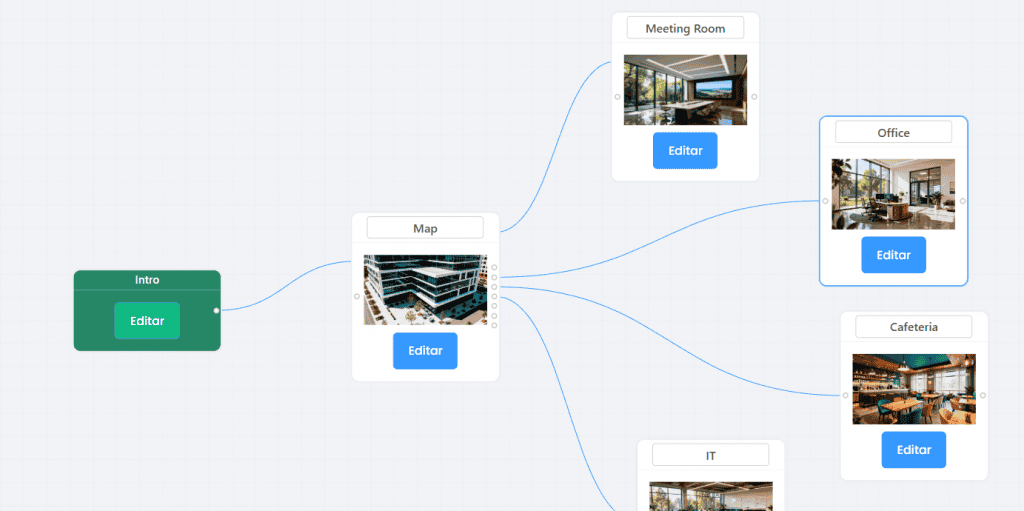
Storiezon is a gamified learning platform that allows you to create interactive, story-driven experiences without writing a single line of code. While many use it for onboarding, its flexibility makes it a powerful tool for the offboarding process as well.
Neuroscience shows that stories activate multiple parts of the brain and improve recall. By using Storiezon as your Employee Offboarding Software, you can turn the final weeks into a narrative where the employee’s contributions are celebrated while they help “level up” their successor. Because memory loves stories, this approach ensures that the knowledge they leave behind is actually retained by the team.
Good software reduces risk by giving people clarity. When a departing employee knows exactly what is expected of them during their employee exit process, they can focus on high-quality knowledge transfer. Storiezon creates meaning out of what would otherwise be dry content. It helps the employee feel part of the company’s legacy even as they move on.
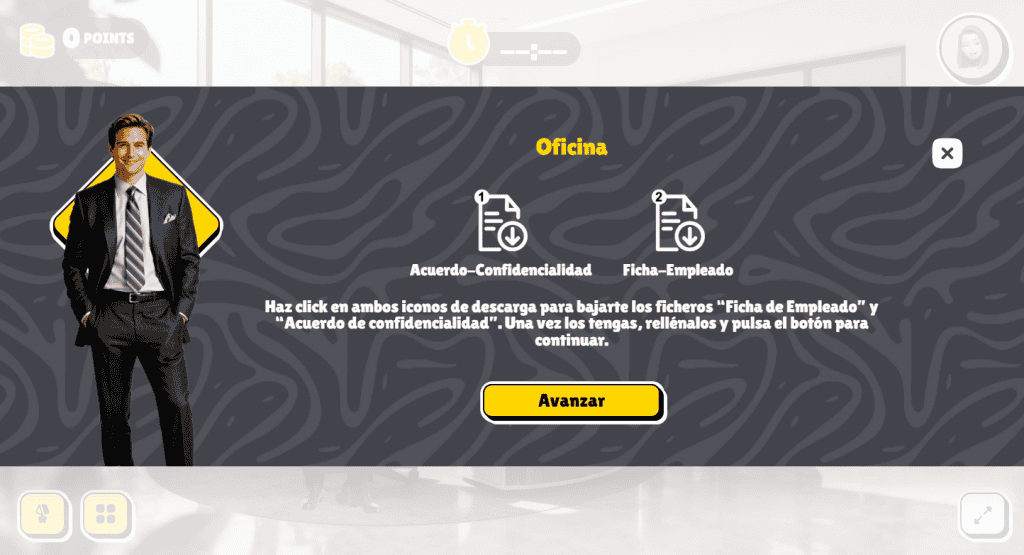
How does Employee Offboarding Software look in action? Here are a few ways companies can use Storiezon’s platform to manage departures:
1. The Knowledge Transfer Quest: Instead of a messy Google Doc, the departing employee creates a series of interactive quizzes or story-based missions for their replacement. This allows the new hire to “practice” decisions in a safe environment before the veteran leaves.
2. Interactive Exit Interviews: Rather than a stressful face-to-face meeting, employees can navigate a narrative-based feedback session. This format often leads to more honest insights because it respects the employee’s attention and context.
3. Final Compliance and “Live” Group Games: For teams where multiple people are moving on (such as at the end of a project or seasonal contract), Storiezon supports live games and shared challenges. This breaks the ice and turns a potentially somber time into a collaborative group experience that builds trust and shared references.
Investing in Employee Offboarding Software is not just about being trendy; it is about being human and protecting your bottom line.
What exactly is Employee Offboarding Software?
It is a digital platform that helps companies manage the employee exit process by automating administrative tasks and creating engaging, interactive experiences for departing staff. It ensures that knowledge is captured and the transition is positive.
Does gamified software work for serious processes like offboarding?
Yes. Adults do not resist games; they resist wasting time. When a process is relevant, contextual, and respects the user’s attention, it is taken seriously. Gamification in Employee Offboarding Software makes the transition more effective because it creates emotional anchors for the information being shared.
Can this software support remote teams?
Absolutely. In fact, it is often more effective for distributed teams. Interactive platforms create structure and a sense of shared experience without needing to be in the same physical office.
Offboarding should never feel like an afterthought. It is the closing chapter of the employee journey, and people remember endings more vividly than beginnings.
A thoughtful employee exit process does more than ensure compliance or recover equipment. It protects knowledge, reinforces culture, and sends a clear signal to everyone watching: people are valued here, even when they move on. When employees leave feeling respected and informed, they don’t disappear—they remain connected, supportive, and willing to recommend your organization in the future.
Employee Offboarding Software makes this possible by bringing clarity, structure, and intention to moments that are often emotionally complex. Instead of fragmented emails and rushed handovers, it creates a shared understanding of what happens next and why it matters.
Storiezon enables companies to turn offboarding into an experience rather than an obligation. Through interactive, story-driven journeys, teams can preserve knowledge, invite reflection, and give departures the closure they deserve. The relationship doesn’t end; it simply changes chapter.

If you’re ready to rethink how your company handles employee exits, start with the experience you leave behind. Because when companies do offboarding right, people don’t just walk away. They leave a legacy.
Want to keep reading? Try some of our posts: